Where will the event industry be in 6 months? A year?
This was the prevailing question asked throughout Event Manager Blog’s virtual conference last week, “The Future of the Event Industry 2021 Outlook“. Moderated by EventMB’s Founder and former Editor-in-Chief, Julius Solaris, the virtual event brought together many top industry leaders in various sectors as speakers to discuss the current state of the event industry and the many developments that has occurred consequentially from the pandemic-ridden year.
Hosted on the modern virtual event platform, SpotMe, the speakers main focus was to inform viewers on the direction that the industry in heading towards and how to leverage technology, media, and strategy to create modern experiences for attendees as events are starting to make their way back. The topics ranged from analyses of how specific sectors would bounce back, to advanced insights on virtual events, and especially forecasting on what to expect for 2021 and beyond.
Shift Towards Hybrid Events
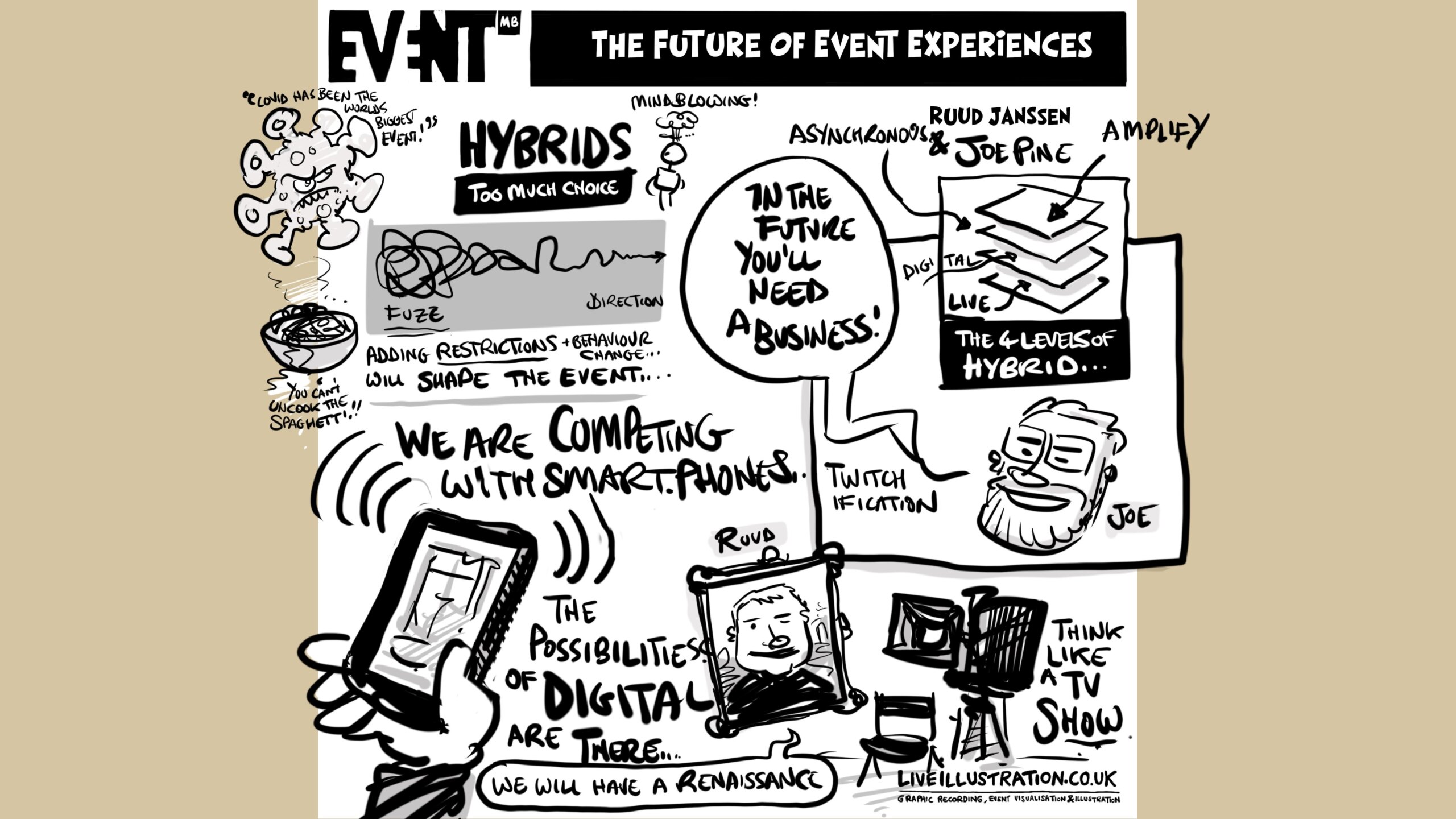
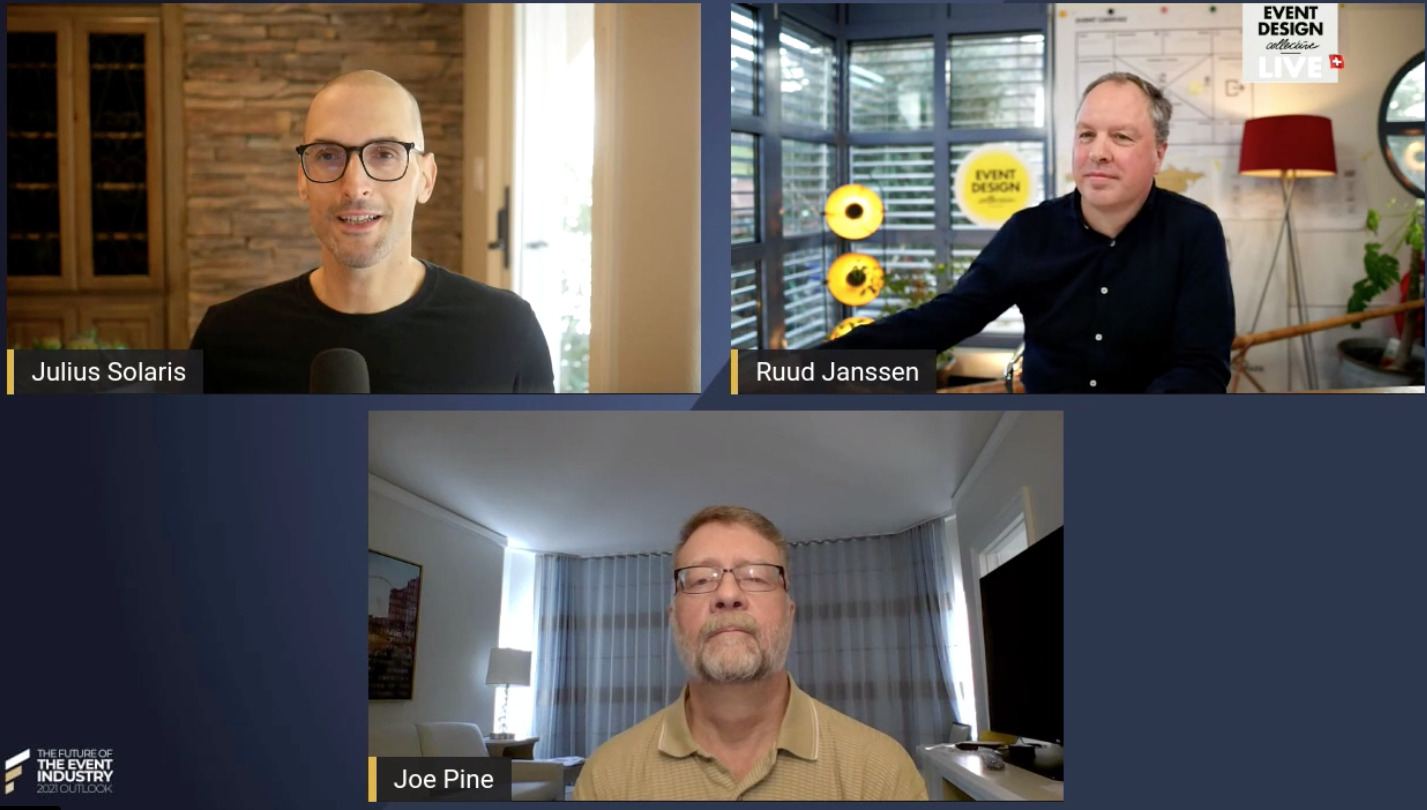
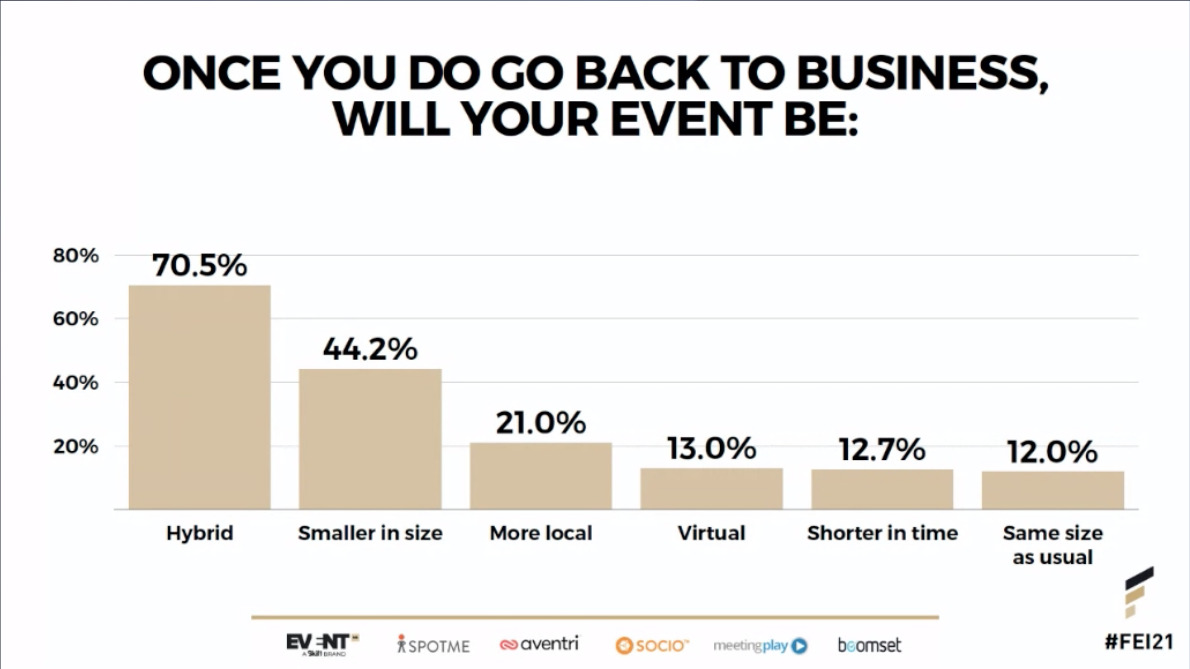
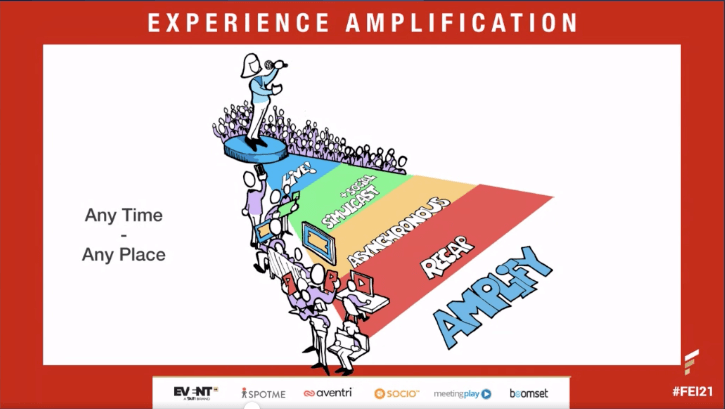
Throughout the virtual event, the dominant topic was on the shift towards “hybrid” events, where there would be an added virtual component to the actual physical event and online attendees can have a live virtual experience. Joe Pine, Co-founder of Strategic Horizons, presented hybrid events with the idea of three levels that worked with time and place at different modularities.
The first level was fairly simple – having live physical events and just taking them online. The second level involved a “social simulcast” where events are being filmed and broadcasted to people who are viewing it in real-time. They may not be paying an admissions fee but they are paying to watch the event digitally. And the demand for this feature may actually be greater because you can fit much more people online and they can view it on their own terms.
Pine also mentioned the idea of “Twitchification“, where events are broadcasted in real-time but viewers don’t just watch passively, they’re also participants by adding another layer of engagement through social media that you normally wouldn’t get in a live event.
The third layer is ‘asynchronous‘, meaning that you can take the video and create segments from it so people can watch them at a later time. Viewers can end up paying a certain amount for this content even if it’s less, but this also has the opportunity to reach more people. Lastly, all of this video content created from the events can be turned into a demand-generating experience by creating ‘recap‘ snippets that show people what they missed out on and encourage them to attend the next event. Pine also emphasized that each of these levels will require a different type of design to be most effective.
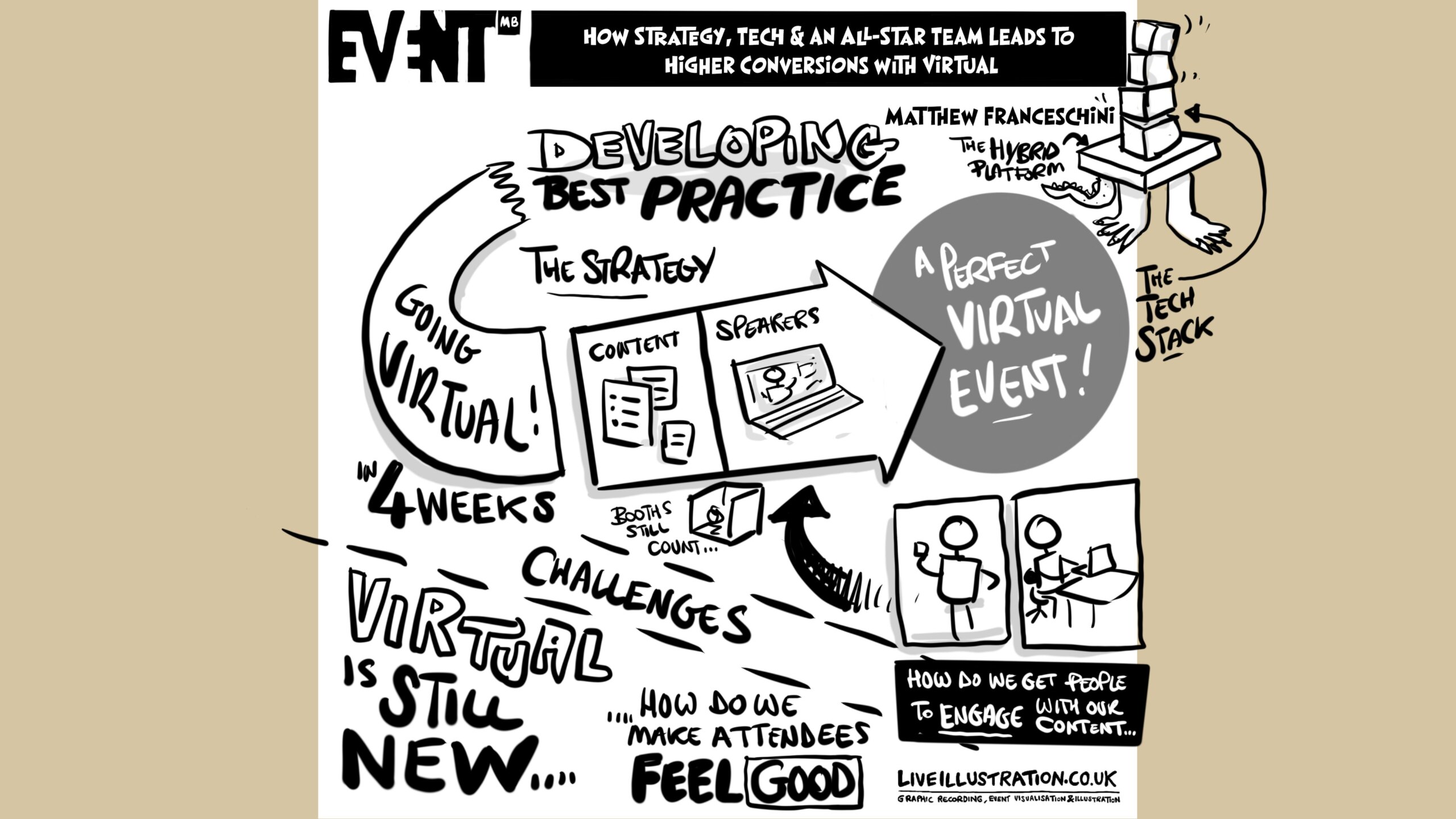
In another session, Matthew Franceschini of Aventri presented a case study that showed how the Washington Tourism Alliance (WTA) used virtual events to drive higher conversions. The nonprofit launched their campaign in 2020 with a planned event to increase tourism to the state just as the pandemic hit, completely halting their plans to promote traveling to the state. They tasked Aventri to move directly to virtual which resulted in changing their focus from driving attendee engagement to providing content that optimized attendee user experience. They ended up implementing several features that delivered quality content so attendees were interested and engaged. Another focus and challenge was to give attendees ability to respond to content.
The Future of Event Tech, Branding, Audience, and Engagement
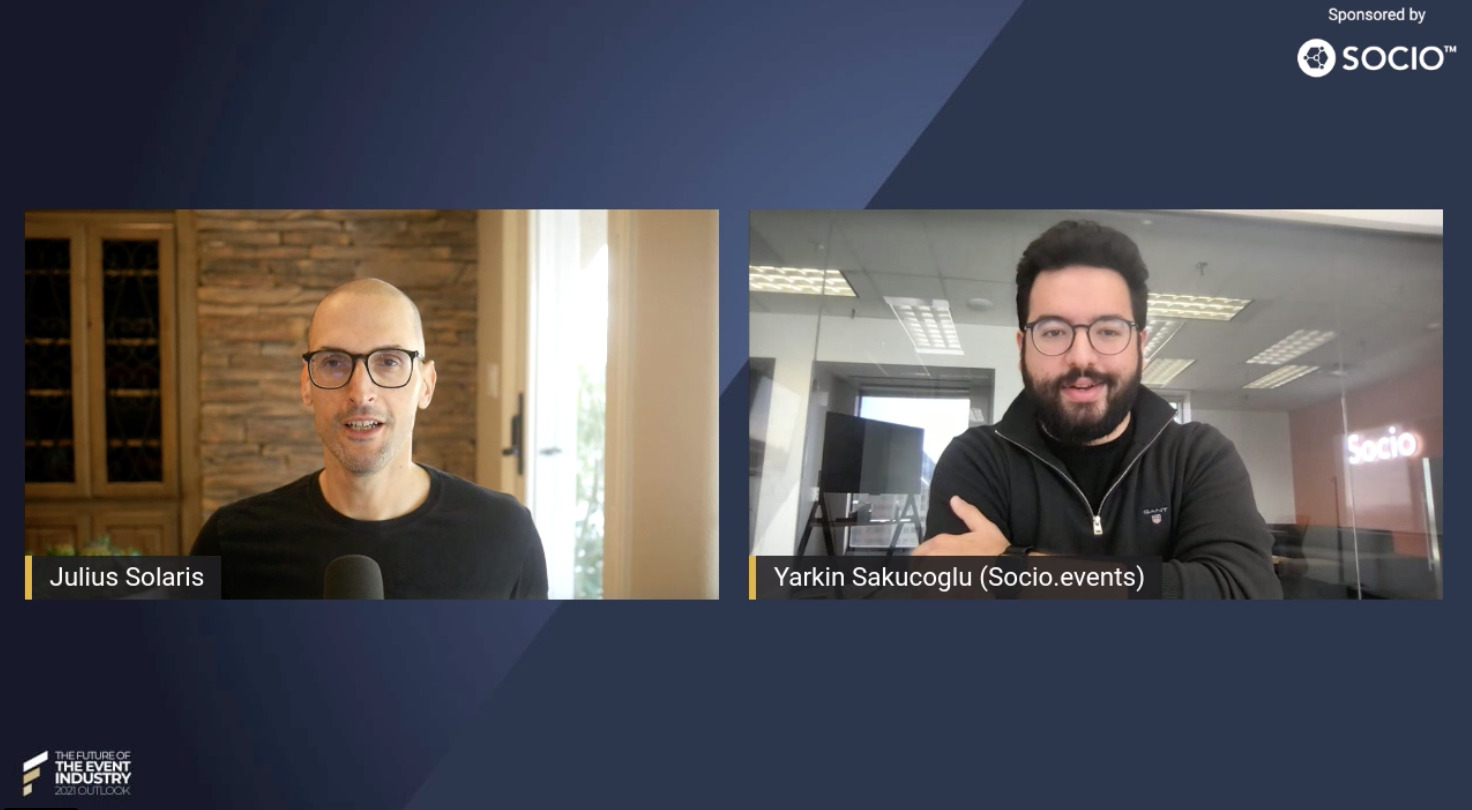
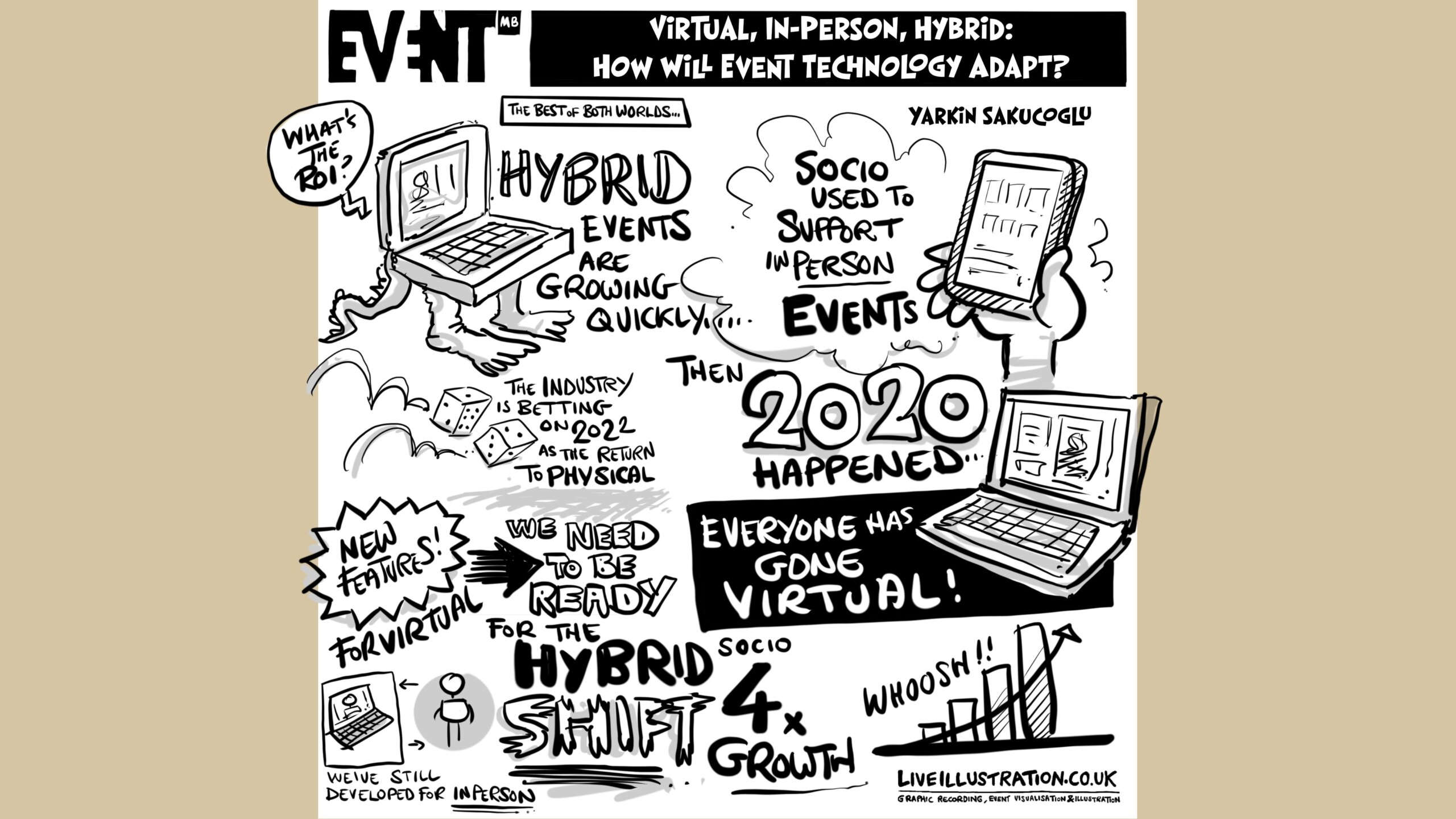
When asked about what to expect from event tech in 2021 and the future, Yarkin Sakucoglu (CEO of the event management platform Socio) stressed investing in hybrid features that help customers have more engaging and relevant networking opportunities like Clubhouse networking rooms. And since event and sponsor ROI is top of mind for many organizers, having an updated sponsor portal can be extremely powerful as it can allow sponsors to personalize micro-targeted campaigns with video ads and banners that reach the right audiences.
Some of the other tools being worked on to create hybrid experiences include using apps to ensure in-person experiences have mirrored virtual components that are able to communicate with each other. For example, using apps so registration processes can have an in-person ticket as well as virtual tickets. The apps can then personalize the experience for the attendee by allowing them to input specific preferences when they register, and the customize it so the app delivers relevant updates such as speakers, networking rooms, etc.
Overall, event tech has been challenged to innovate quickly in the last year. And organizers are particularly interested about the ability to measure and increase event ROI using data and optimization.
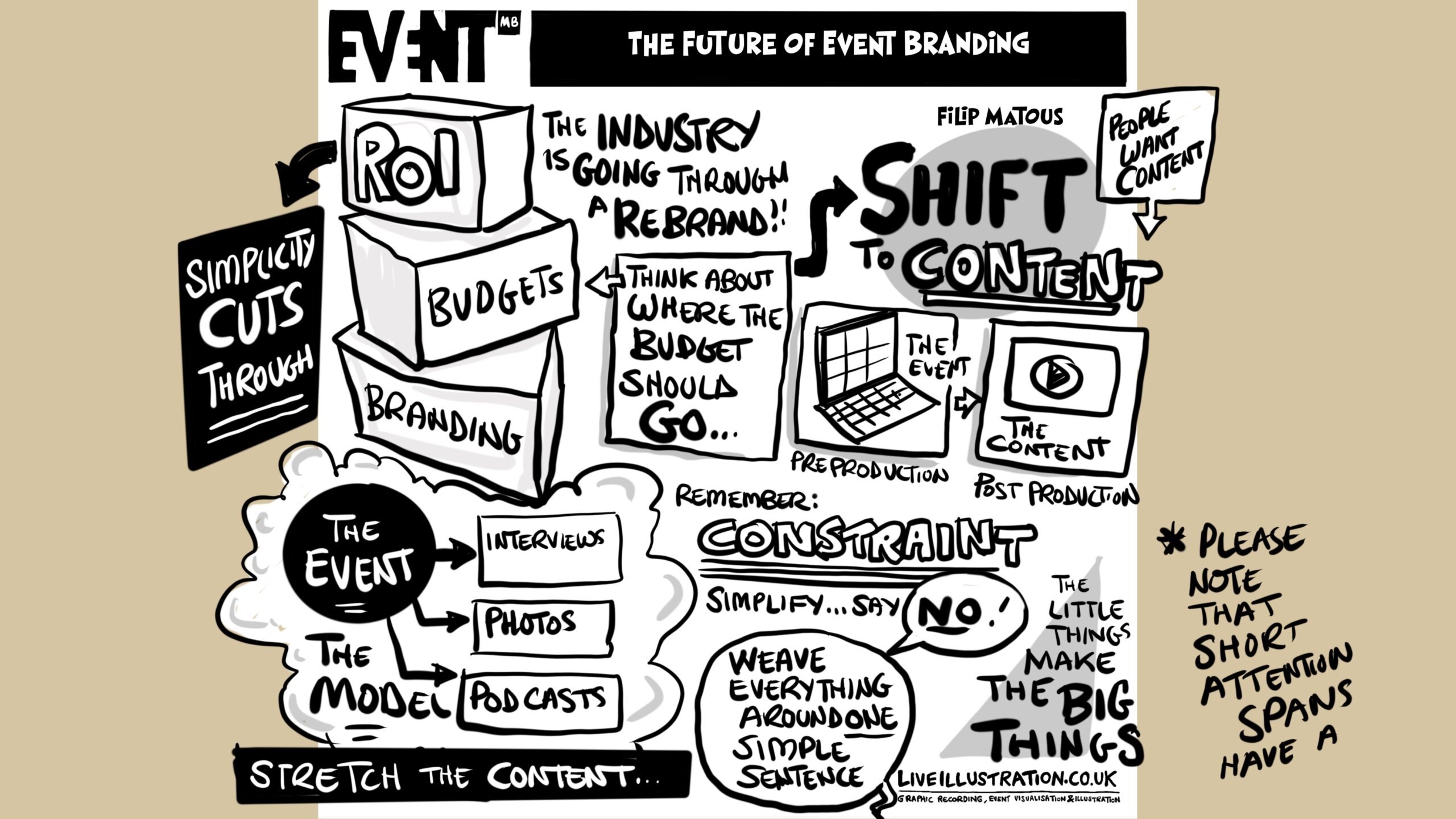
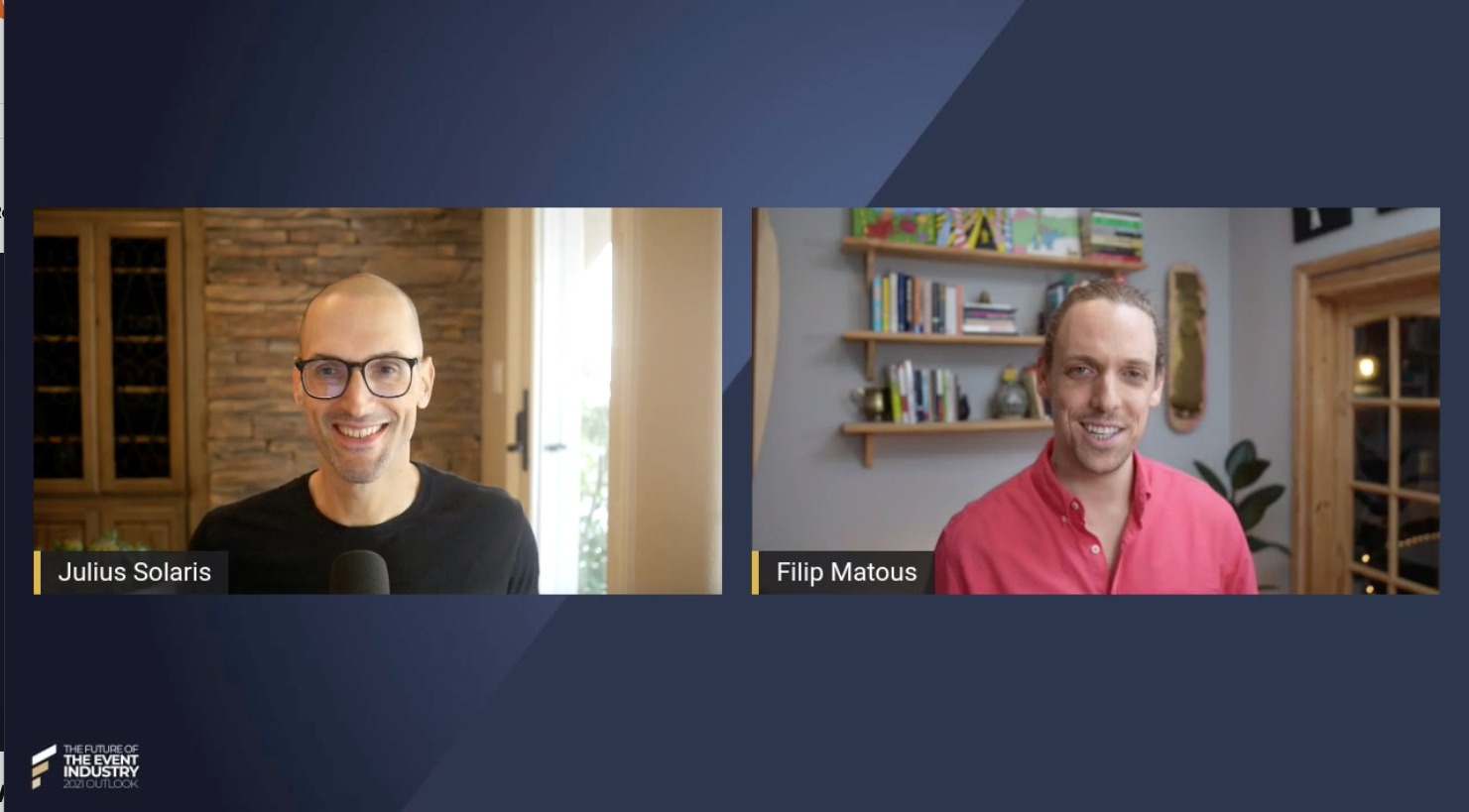
London-based B2B Rebrand Consultant Filip Matous spoke about the future of event branding by highlighting an aggressive shift towards increased content budgets, which is not surprising given the pandemic shutdown. According to Matous, you should think of events as a production and all of the content that spills off of that as post-production. Turn speaker sessions into a podcast episodes, promotional photos and videos, and start to use all of your multimedia capabilities to stretch your brand power from that.
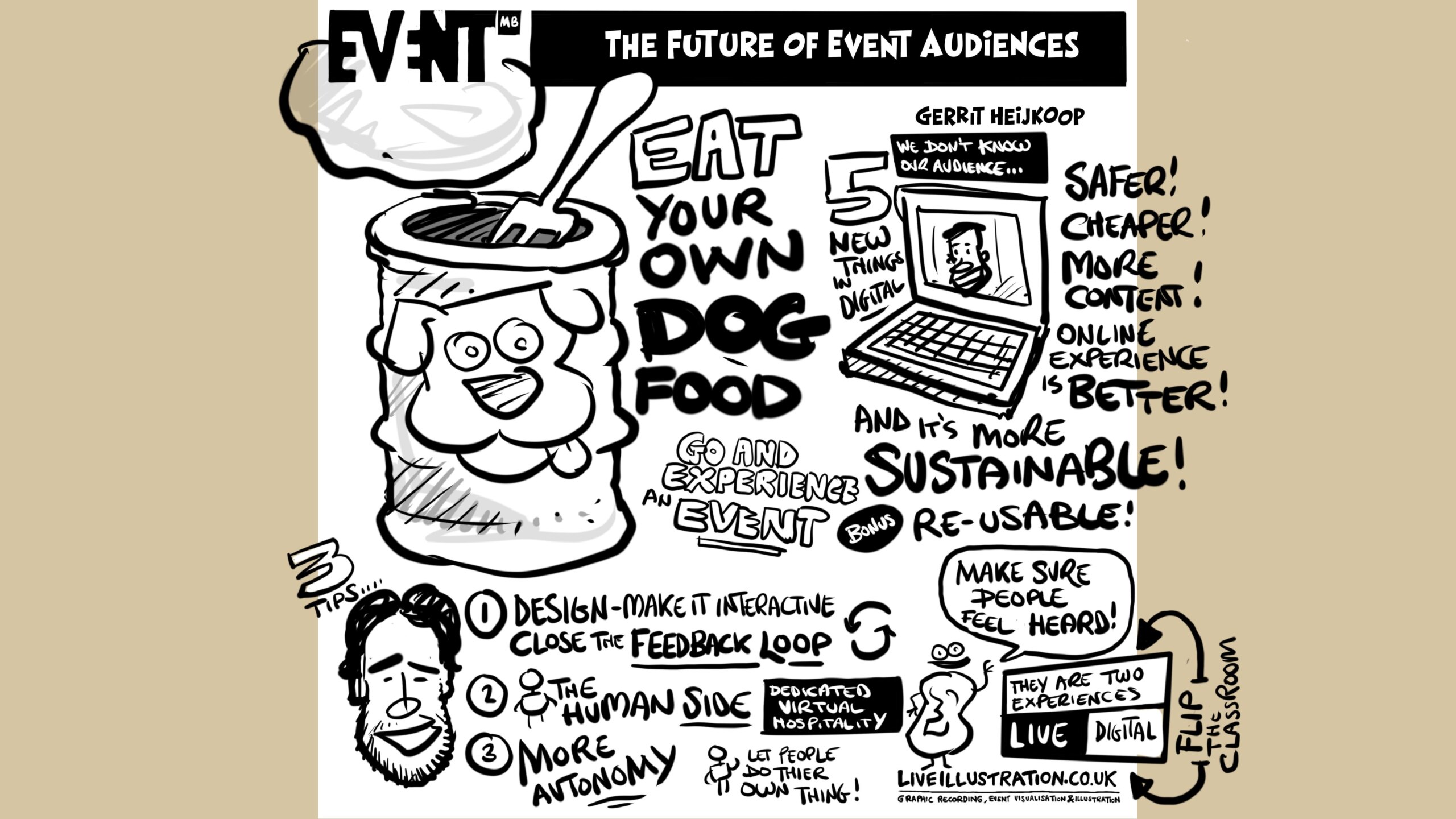
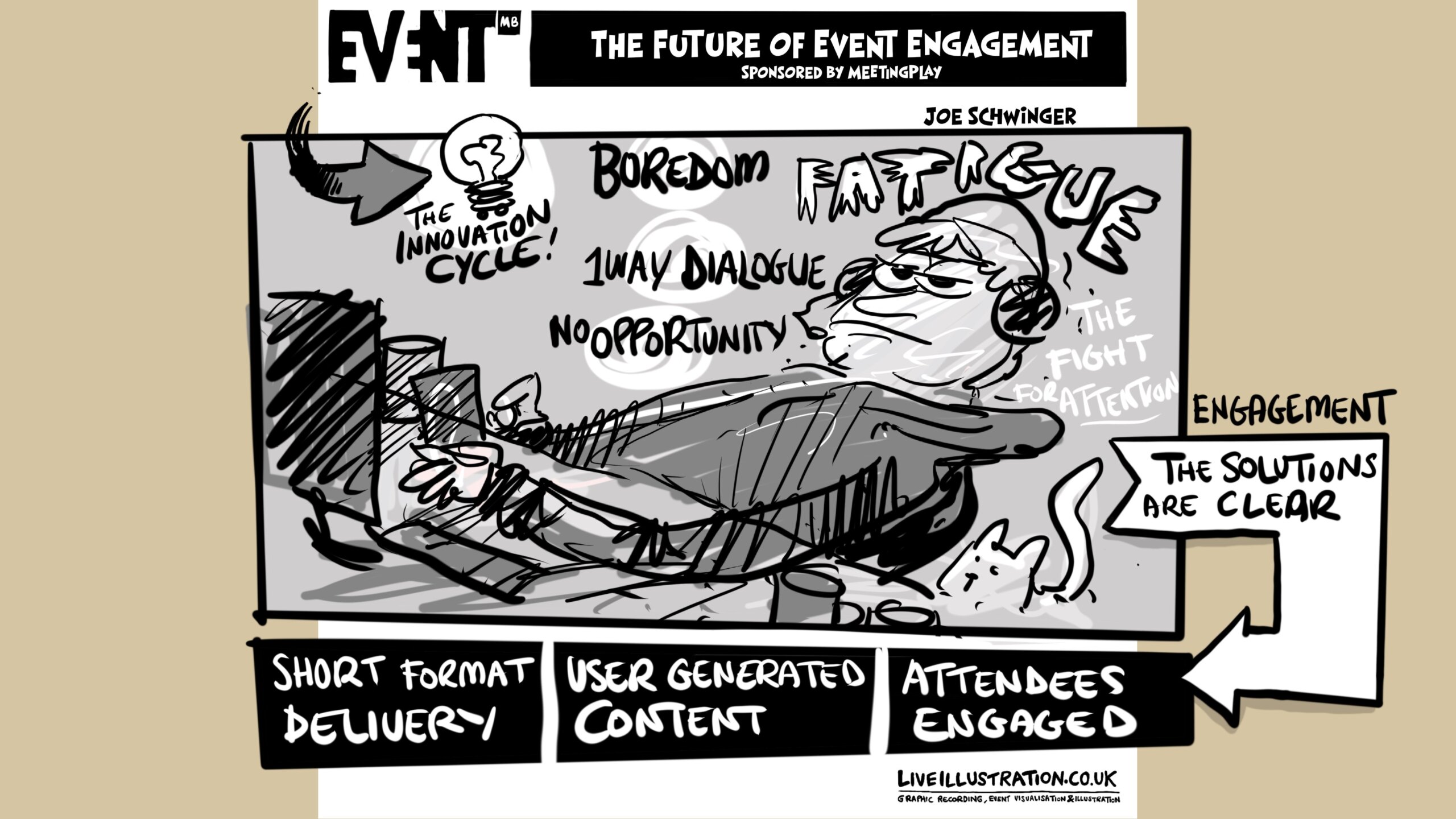
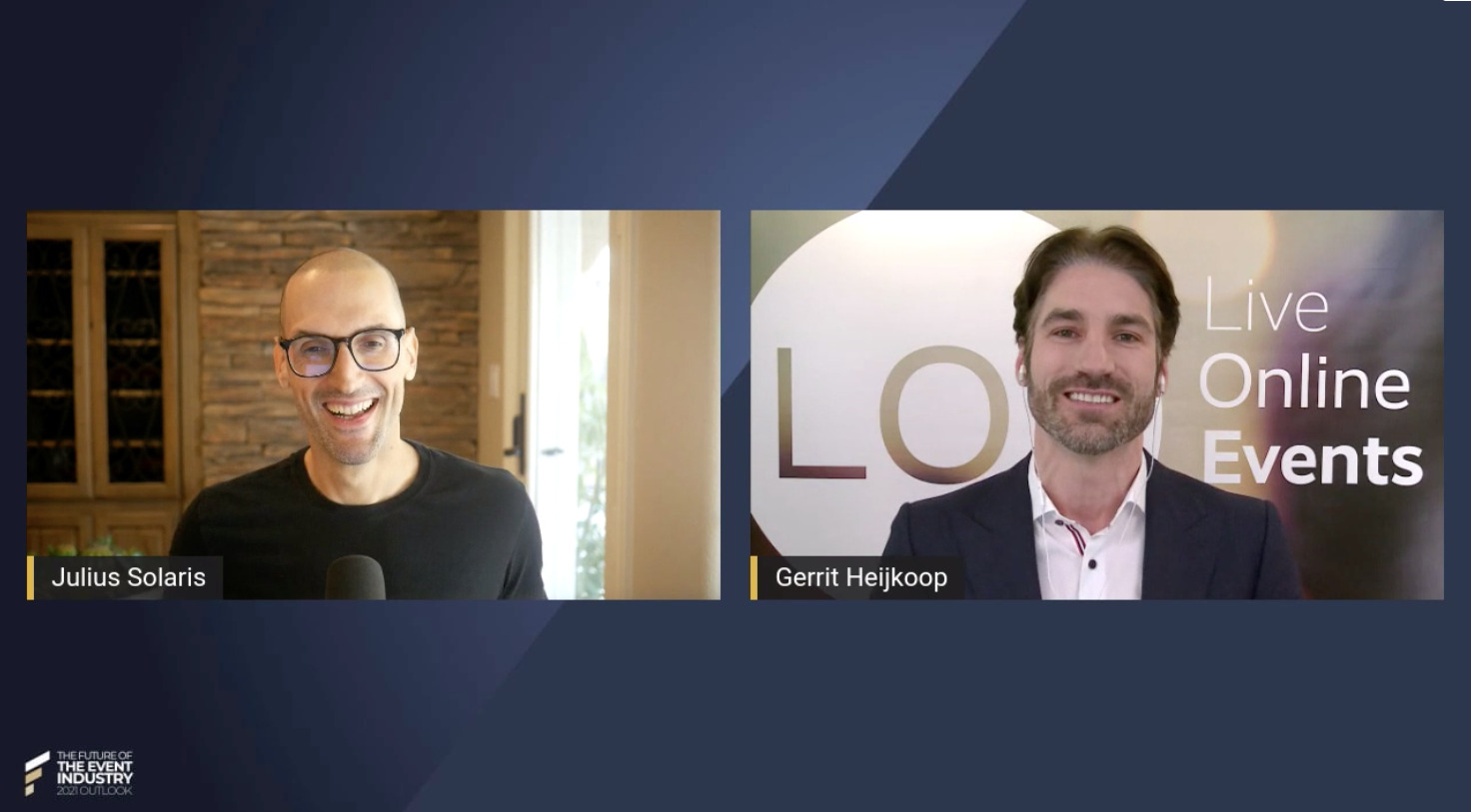
Gerrit Heijkoop of Live Online Events emphasized empowering virtual event audiences with tactics that give them a voice and helps them interact like live chats, polling, and speaking opportunities. By having moderators on your team that focus specifically on online hospitality by moderating chats, relaying questions, it helps ensure the participants are heard and catered to. Joe Schwinger of MeetingPlay also encouraged giving attendees a voice in order to prevent virtual fatigue. By using tools that allow for user-generated content, it introduces a two-way dialogue where attendees can actually interact with the event virtually.
Event Marketing, Virtual Event Production & Tradeshows
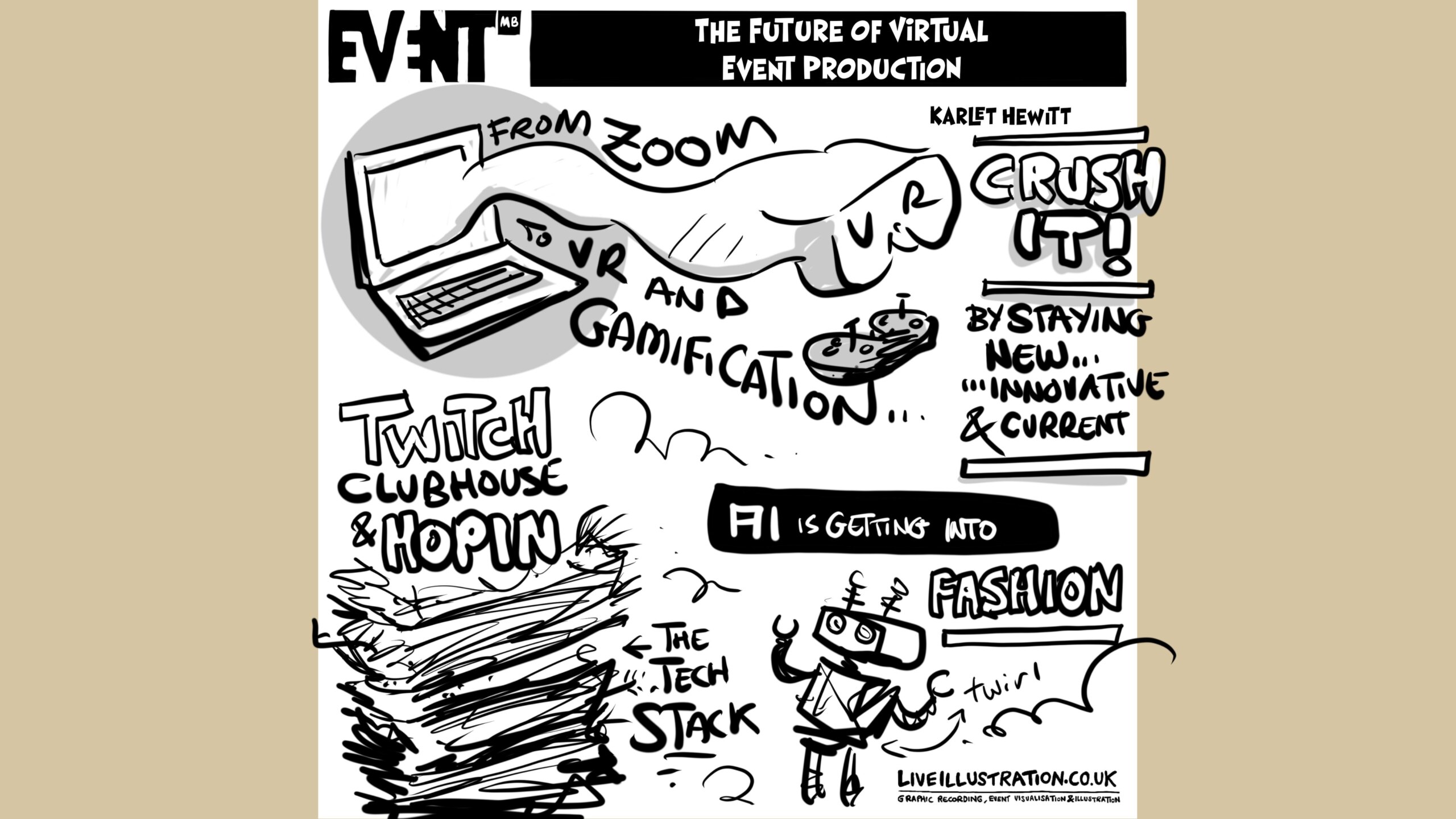
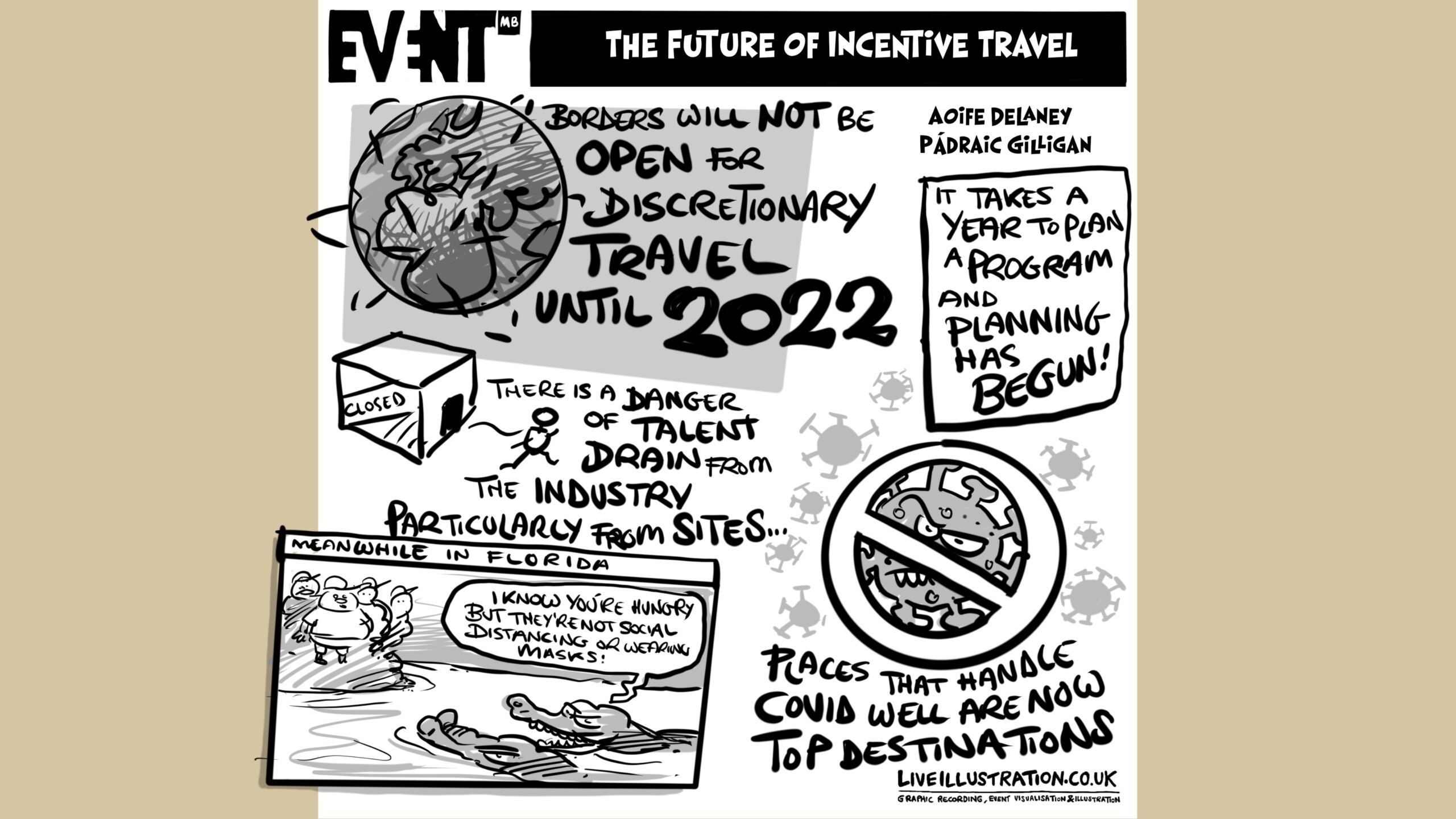
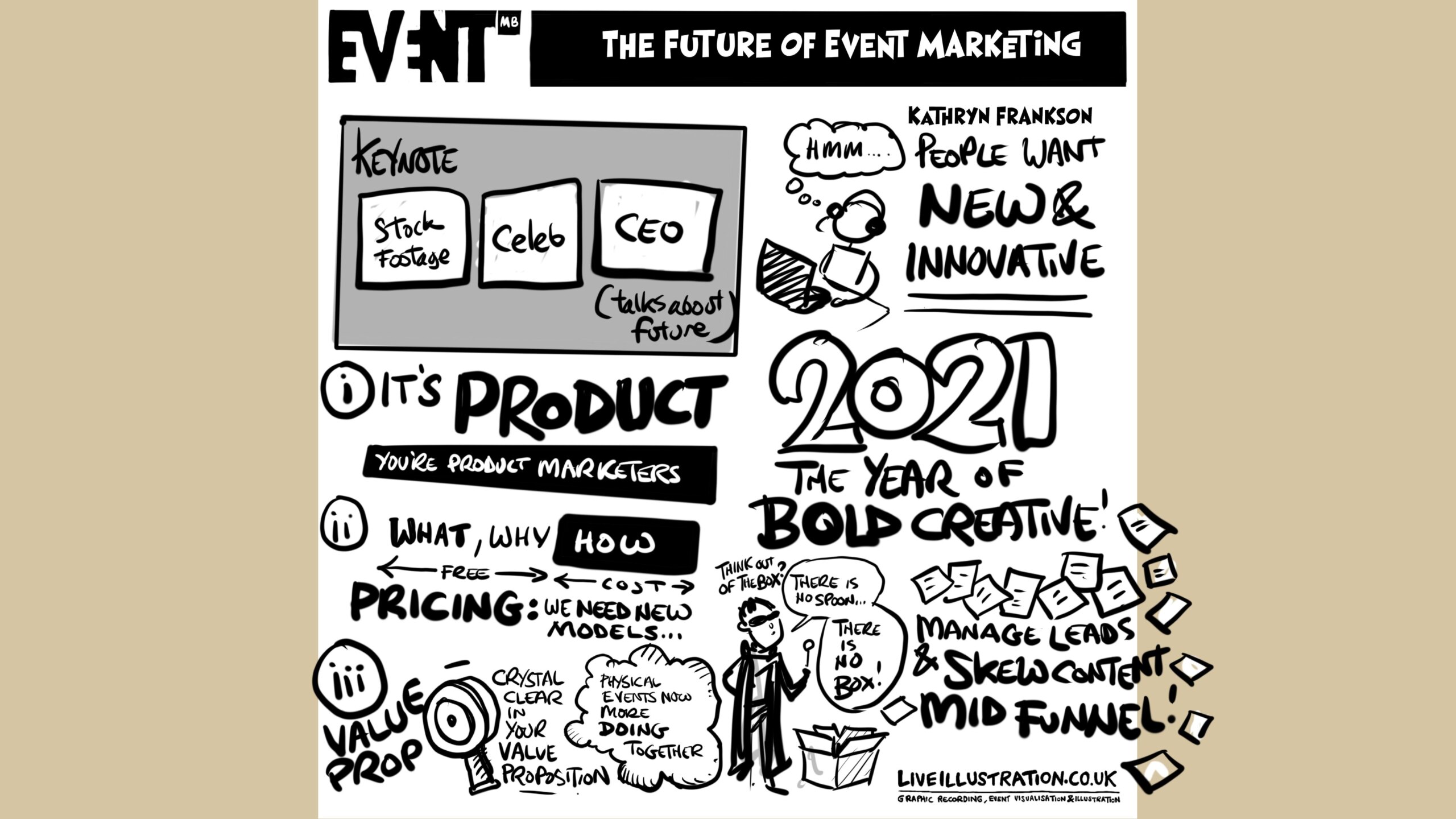
Kathryn Frankson (Informa), Pádraic Gilligan (SITE), and Aoife Delaney (DMC Network) joined a session and spoke about how event marketing nowadays needs to be new and innovative since marketing is owning so many customer touch-points than ever before. This means that potential attendees will need information about the event early on so they can make decisions on whether to attend or not. Bold creative is taking center-stage this year and people are more than ever interested in the look and feel (UX and UI) of their virtual platforms.
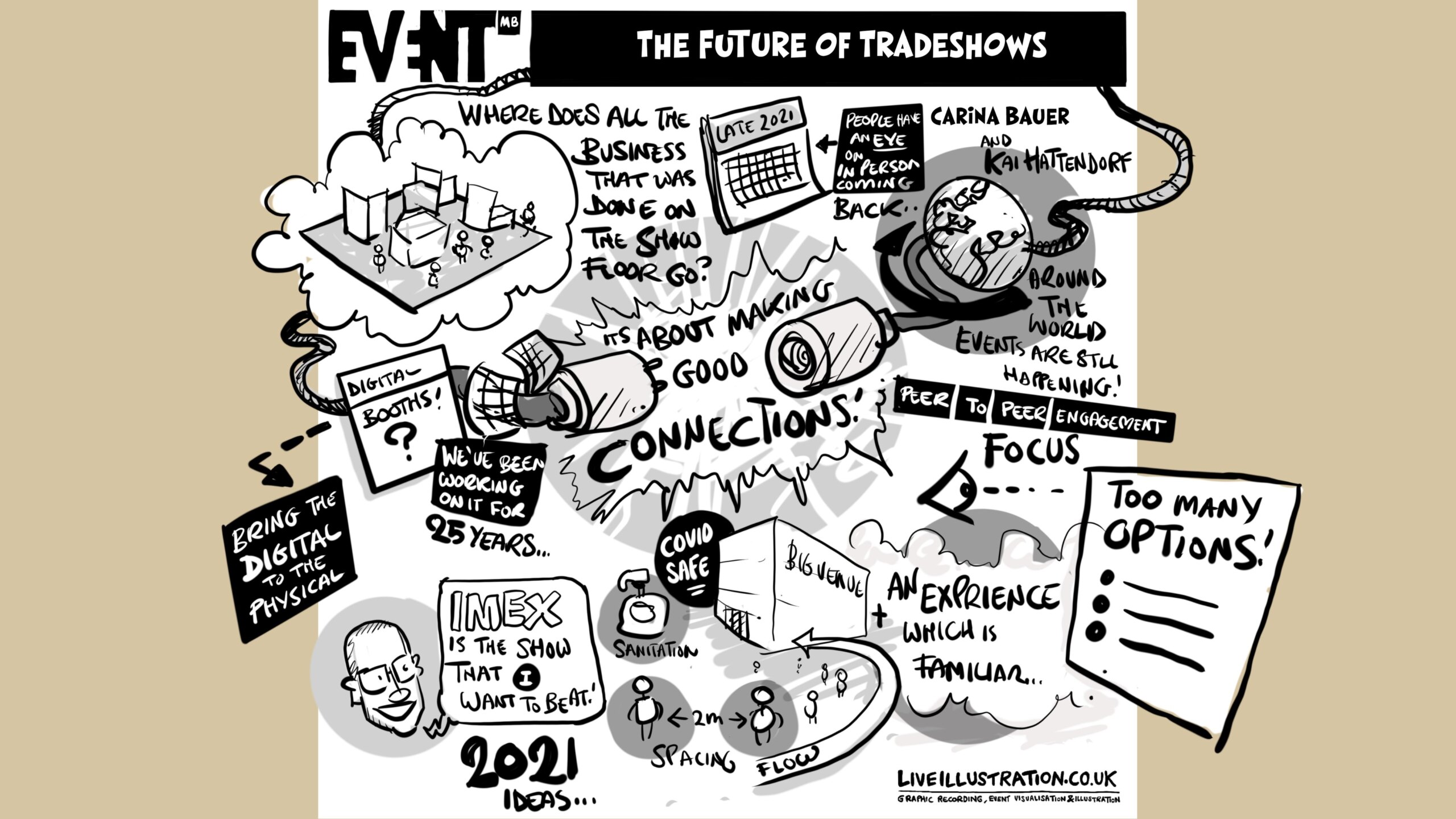
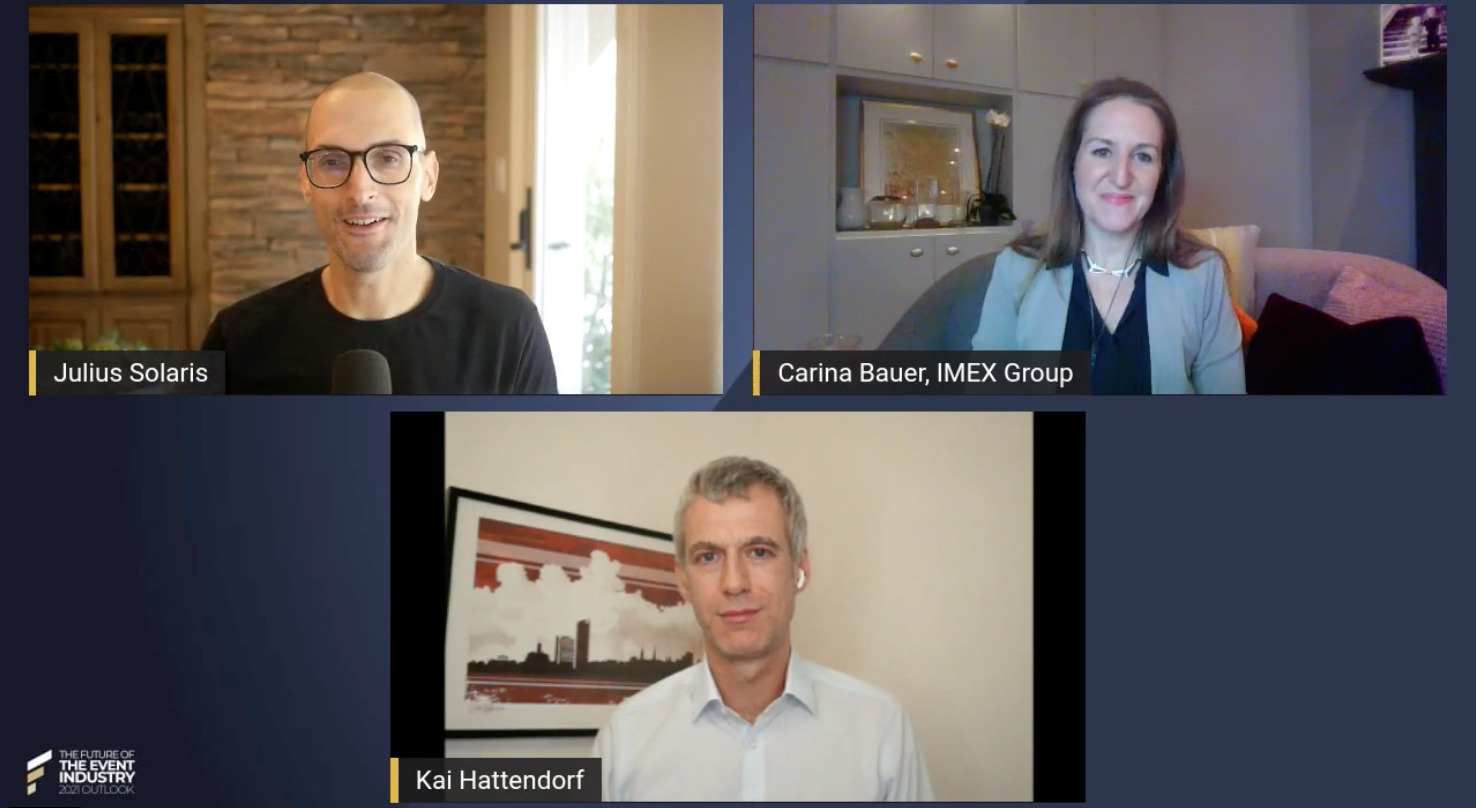
In a discussion about the future of tradeshows, Carina Bauer (CEO of IMEX) and Kai Hattendorf (Managing Director and CEO of UFI) were optimistic about them possibly coming back in the summer and going on into the rest of the year depending on how the COVID recovery develops. In order to address the business which happens on the show floor and not online, Hattendorf stressed finding a digital solution for transactions instead of a physical showroom. While Bauer focused on delivering good business connections to both exhibitors and buyers. They both believe that the focus will still be all about trades when things return to normal – “the transactions will be center-stage and everything will be built around that”, says Hattendorf. However, everything will need to COVID-safe with protocols and there will be a push to have a standard form of COVID documentation so attendees are used to the process and know what to expect.
Other Notes…
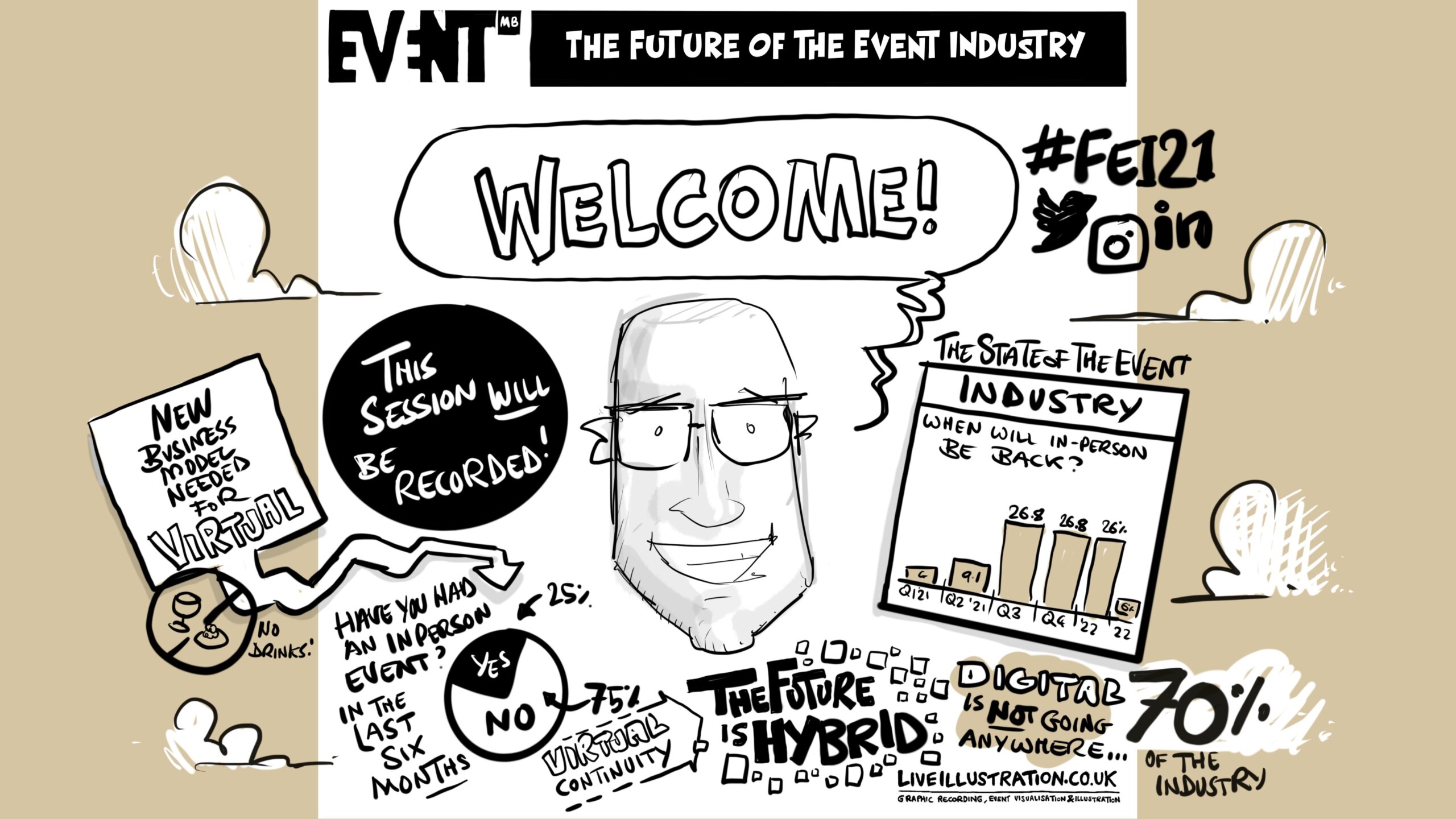
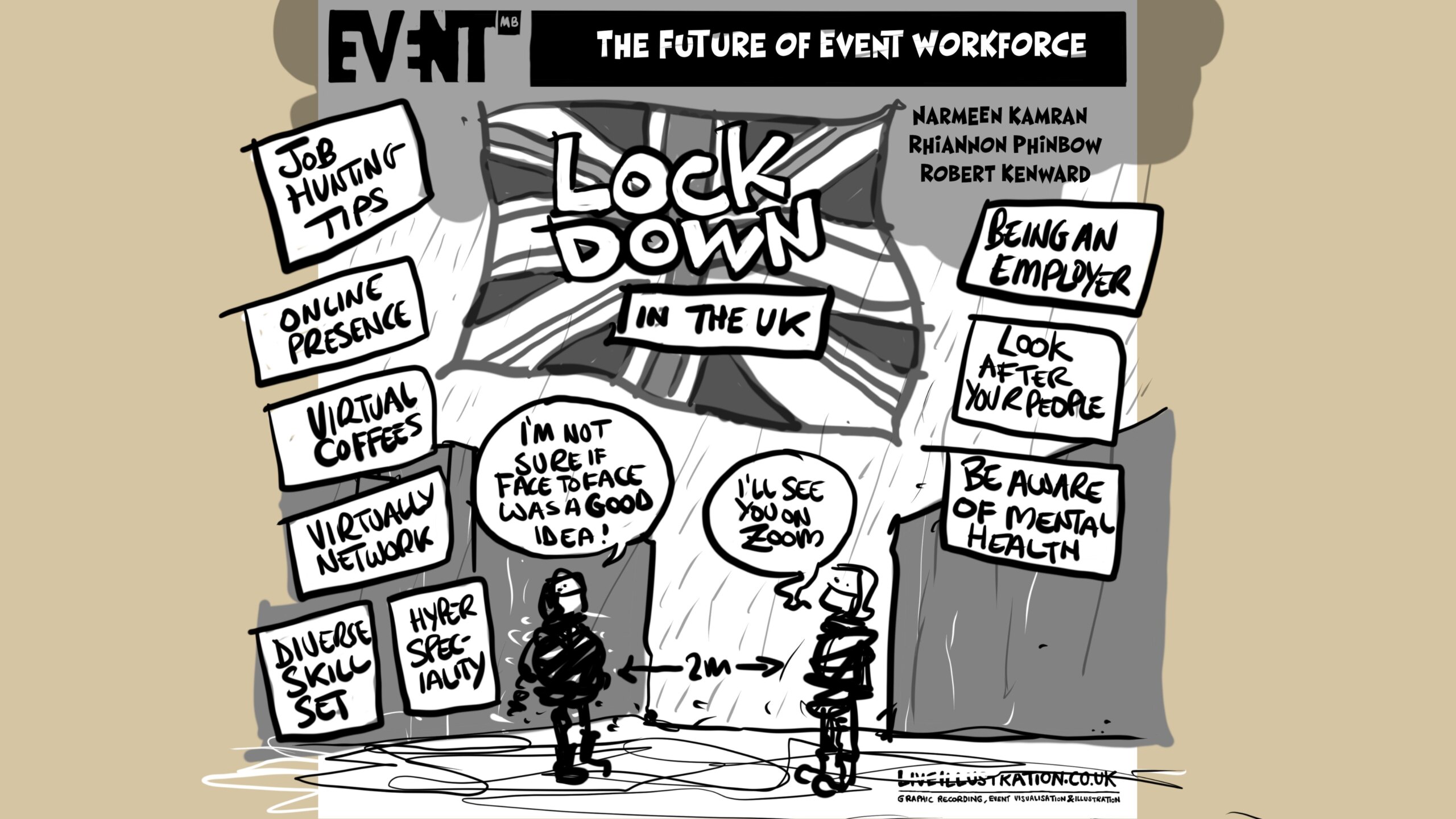
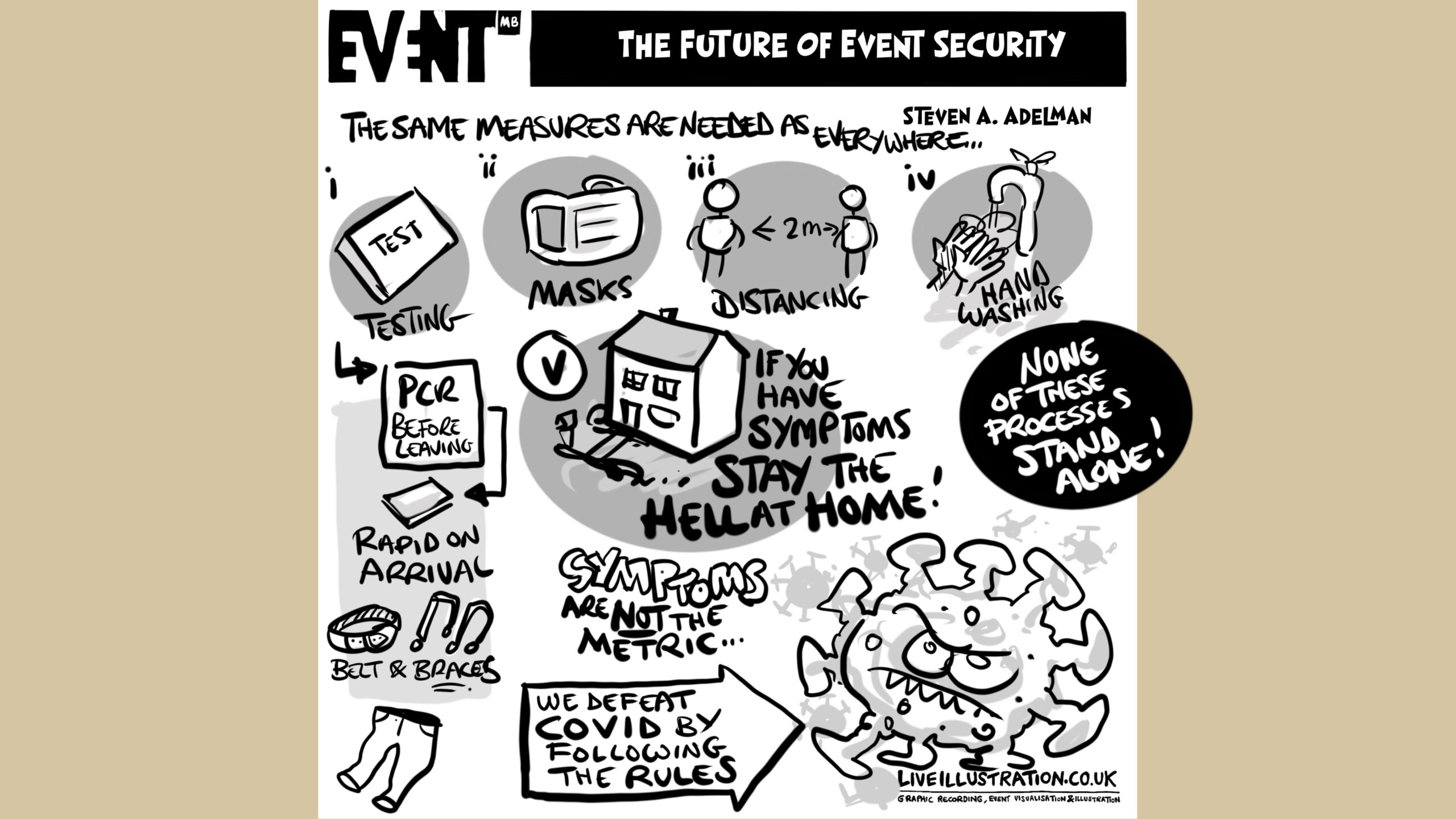
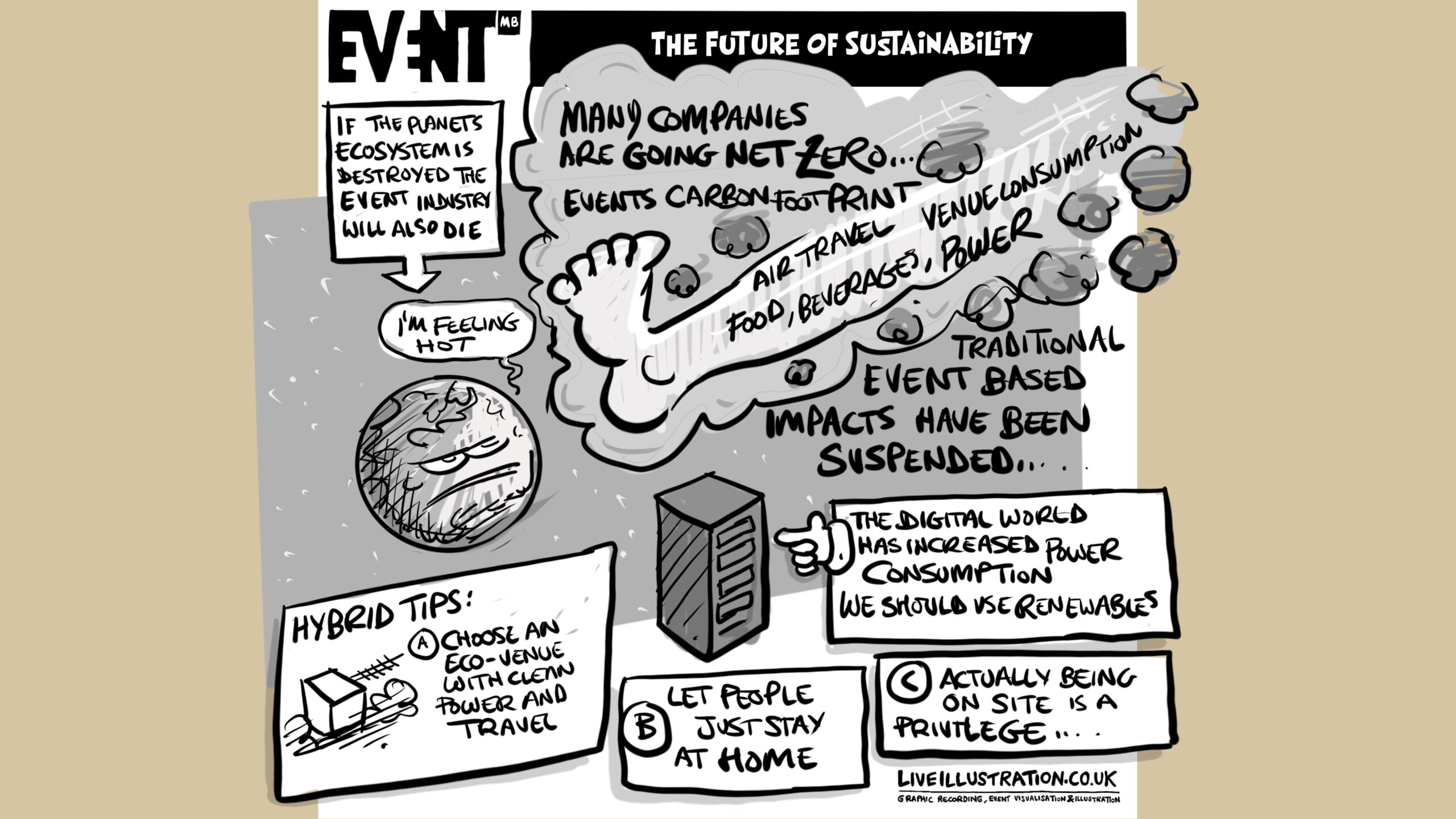
One of the more interesting features from the virtual event was the use of “Live Illustration“, a virtual scribing tool that graphically records meetings to create drawings that visually show what is being discussed. You can see the collection of drawings created after each session in the slideshow below.
After the virtual event ended, the host Julius opened up a Clubhouse afterparty that engaged listeners to give their thoughts on the future of the events industry. Some audience members expressed their frustration with the shutdowns and how so many people are losing their jobs and actually leaving the industry to other fields. While another listener chimed in on how event planners are becoming the de facto cultural officers and getting a seat at the table for big companies.